Car Recovery Services for Breakdown and Safe Vehicle Transport Needs
A vehicle problem can happen at almost any point in a journey. Your car might fail to start before work, develop a mechanical fault while travelling through Preston or become unsafe to drive when you are some distance from home. Whatever the circumstances, knowing how to respond can help you protect yourself, your passengers and the vehicle while arranging suitable transportation.
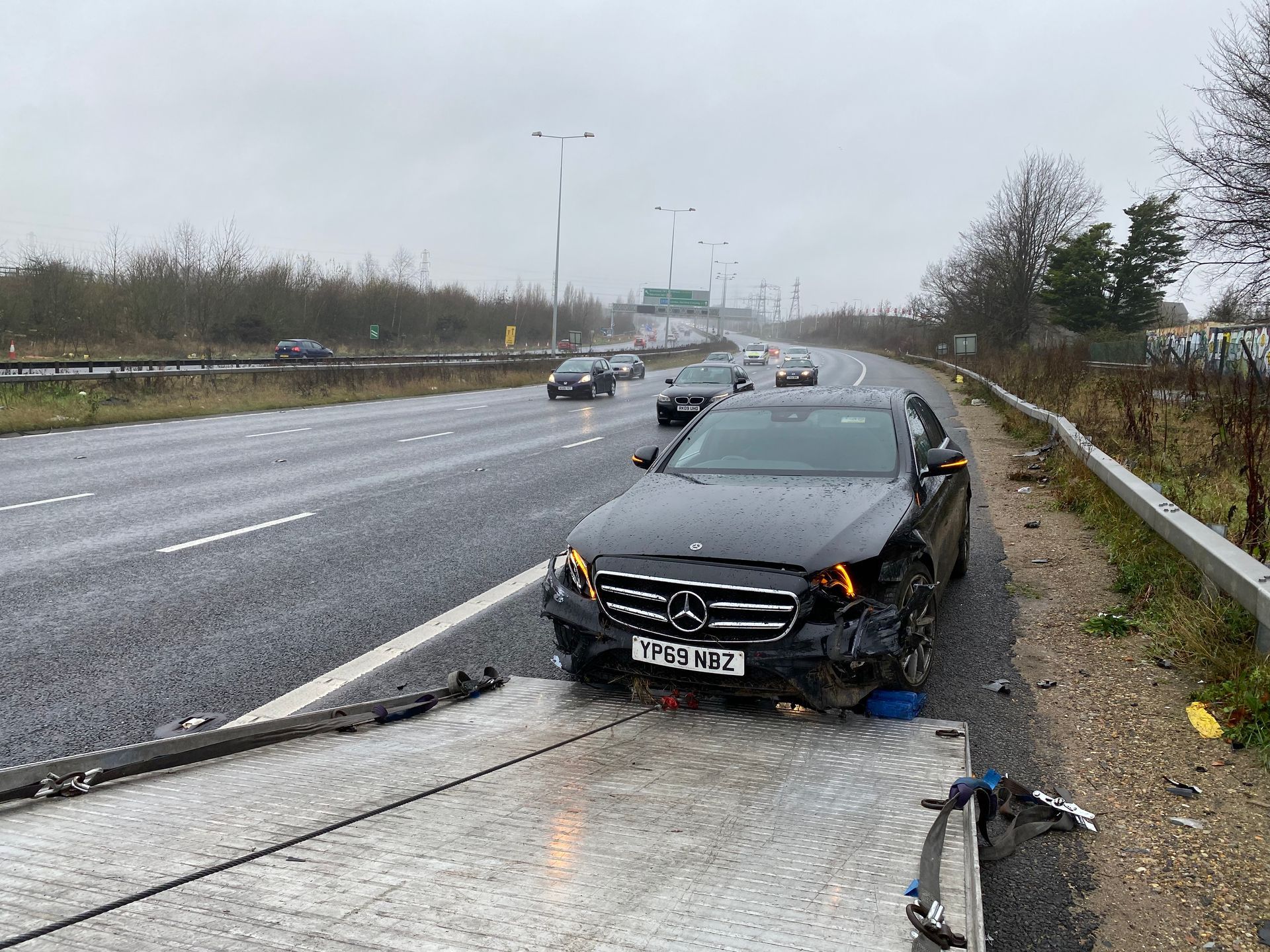
When a vehicle suddenly becomes undriveable, a professional car recovery service can provide a practical way to have it collected and transported to an appropriate destination. This can be particularly useful when you are stranded somewhere unfamiliar or need your vehicle moved to a nearby garage. Providing an accurate location and clear information about the vehicle helps the operator understand what is required before setting out.
Professional vehicle transportation is intended to move an undriveable vehicle from its current location to an agreed destination. It does not involve repairing mechanical problems at the roadside, delivering fuel or providing lockout assistance. When specialist mechanical work is necessary, the vehicle can instead be transported to an appropriate garage where the fault can be properly assessed..
When Do You Need Professional Vehicle Recovery?
Professional breakdown recovery may be needed when a vehicle cannot continue its journey safely and requires transportation to a garage or another suitable destination. The exact reason can vary considerably. Some vehicles stop completely, while others remain capable of moving but develop problems that make continued driving unsafe or potentially damaging.
A starting problem is a common example. A car may fail to start outside a home, workplace, shop or other location. The cause may not be immediately obvious, particularly with modern vehicles where electrical, electronic and mechanical systems can all contribute to starting difficulties. Rather than repeatedly attempting to start a vehicle when the cause is unknown, transporting it to an appropriate repair professional allows the problem to be properly investigated.
Problems can also develop while a vehicle is already moving. A sudden loss of power, unusual vibration, severe mechanical noise or a noticeable change in steering may indicate that something requires attention. Drivers should consider the vehicle's behaviour, warning indicators and manufacturer guidance when deciding what to do. If continuing could be unsafe, the priority should be finding an appropriate place to stop where possible.
Wheel and tyre problems can also prevent normal travel. While some minor tyre issues may be obvious, a strong impact with a kerb or pothole could potentially affect the wheel, steering or suspension as well. If a wheel is sitting at an unusual angle or the vehicle no longer steers normally, attempting to continue may create additional problems.
Overheating is another reason a vehicle may need transportation. Steam, an abnormal temperature reading or obvious coolant loss can indicate a fault requiring professional assessment. Continuing to operate an overheating engine can potentially lead to more serious damage. Moving the vehicle to a suitable garage allows qualified professionals to investigate the underlying cause.
The same cautious approach applies to significant fluid leaks. Drivers may not always be able to identify what is leaking or where it is coming from. If the condition of the vehicle is uncertain, trying to complete the journey simply to avoid arranging transportation can be a poor trade-off.
Location also affects what motorists should do. A problem on a quiet residential street is very different from one on a high-speed road. Personal safety should always come before concerns about the vehicle. Drivers should follow the Highway Code and current official guidance relevant to the type of road they are on, particularly when dealing with a problem near fast-moving traffic.
In Preston, a vehicle may need collecting from a residential road, workplace, public car park or another accessible location. Wherever the problem occurs, accurate information is useful. Tell the operator whether the vehicle starts, whether it can roll and steer normally, and whether there are visible problems that could affect loading.
Drivers should also decide where they want the vehicle taken whenever possible. A local garage may be suitable for many faults, while some problems may require a specialist repair facility. Establishing the destination in advance makes the transportation requirement clearer from the outset.
What Does a Professional Vehicle Recovery Provider Do?
A professional car recovery service coordinates the collection and transportation of an undriveable vehicle. The process starts before the operator arrives, because information about the vehicle, its condition, its position and the intended destination can determine what arrangements are appropriate.
The process commonly involves:
- Gathering vehicle information: The operator needs enough information to understand what is being collected. Providing the make, model, registration and vehicle type can help establish the basic transportation requirements.
- Confirming the collection point: An accurate address, postcode or clear location description is important. If the vehicle is in a large car park, behind a restricted entrance or somewhere difficult to access, these details should be provided when arranging collection.
- Understanding the vehicle's condition: Tell the provider whether the vehicle starts, rolls and steers. Known wheel, steering or suspension problems should also be mentioned because they may affect how the vehicle needs to be loaded.
- Planning suitable equipment: Vehicle size, condition and accessibility can influence the equipment needed. Providing accurate information allows the operator to consider these requirements before travelling to the collection point.
- Preparing the vehicle for loading: Once on site, the vehicle needs to be positioned and prepared appropriately. A vehicle that rolls normally can present different requirements from one with a damaged wheel or steering problem.
- Loading carefully: The vehicle should be loaded using methods suitable for its condition. Careful handling is particularly important when a mechanical problem means the vehicle cannot move normally under its own power.
- Securing the vehicle: Once loaded, the vehicle needs to be secured appropriately before transportation begins. This helps keep it stable while travelling to the agreed destination.
- Transporting it to the selected location: The customer should confirm where the vehicle needs to go. Depending on the circumstances, this could be a repair garage, specialist facility or another suitable destination.
- Unloading at the destination: At the end of the journey, the vehicle needs to be unloaded appropriately at the agreed location so that the next stage, such as professional diagnosis, can take place.
Clear communication is an important part of a recovery service, particularly when the motorist is dealing with an unfamiliar problem. Drivers do not need to diagnose the mechanical fault themselves, but they should describe what they have observed. Saying that the steering will not turn normally, for example, is more useful than guessing which component has failed.
This distinction can make the process simpler for motorists. Rather than expecting a complex fault to be diagnosed where the vehicle stopped, the immediate objective is to move the vehicle appropriately to somewhere the necessary work can be carried out.
Common Vehicle Transport Situations in Preston
There are many situations in which car recovery can provide a practical solution for motorists in Preston. Some involve complete mechanical failure, while others arise because a driver has reasonably decided that continuing a journey could be unsafe. The need for transportation depends on the condition of the vehicle rather than simply whether the engine can still run.
A vehicle that fails to start at home is one example. Although the driver is not stranded beside a busy road, the car may still need to reach a garage for diagnosis. If the fault cannot be addressed at its current location, arranging transportation means the vehicle can be moved without relying on it to operate normally.
Problems at workplaces create similar situations. A vehicle might operate normally in the morning but refuse to start when the owner is ready to leave. In other cases, a warning or mechanical symptom may appear during the journey to work, leading the driver to decide that the car should not be driven again until it has been checked.
Breakdowns can also happen during journeys through Preston. Drivers may be travelling locally, commuting or passing through the area on a longer trip. Being away from home can make the situation more inconvenient because the motorist may not know nearby garages or the surrounding road network particularly well. Identifying an appropriate destination is therefore an important part of arranging transportation.
Vehicle conditions can create additional considerations. A car with normal steering and freely moving wheels may be simpler to load than one with significant wheel, suspension or steering damage. Telling the operator about these problems beforehand allows the condition of the vehicle to be taken into account.
Access is another practical factor. Residential streets, private parking areas, commercial premises and public car parks can all present different conditions. Gates, narrow entrances, height restrictions or awkward vehicle positioning should be mentioned when collection is arranged.
The intended destination can vary too. Some motorists may want the vehicle transported to their regular garage, while others may need a specialist facility capable of investigating a particular fault. There may also be circumstances where another suitable destination is preferred. Giving the complete address helps make the required journey clear.
These examples are not unique to Preston. Motorists throughout the UK face similar situations when vehicles develop unexpected faults. The important point is to consider whether the vehicle can be operated safely rather than trying to continue simply because the destination appears close.
What Should You Check Before Arranging Vehicle Transportation?
Before contacting a car rescue service, gather as much useful information as you reasonably can without putting yourself at risk. Clear details can help the provider understand where the vehicle is, what condition it is in and where it needs to go. You do not need to diagnose the fault yourself.
Before confirming collection, consider the following:
- Vehicle make and model: Have basic vehicle details ready. These help the operator understand what type and size of vehicle needs transporting.
- Registration: Providing the registration can help clearly identify the vehicle being collected.
- Exact collection location: Give an accurate address or postcode where possible. If you are somewhere less obvious, provide useful landmarks or other information that can help identify the location.
- Current condition: Explain whether the engine starts and whether the vehicle can roll and steer normally. Do not attempt to test something if doing so would be unsafe.
- Visible damage or problems: Tell the provider about damaged wheels, unusual vehicle positioning or other obvious issues that could affect loading.
- Access restrictions: Mention gates, narrow entrances, height restrictions, underground parking or other conditions that could make the vehicle difficult to reach.
- Preferred destination: Decide where you would like the vehicle taken whenever possible. Having the full address of the garage or other suitable destination ready can simplify the arrangement.
- Distance involved: Make sure the provider knows the actual destination rather than assuming the vehicle will be moved only a short distance.
- Collection arrangements: Confirm what information the operator needs and make sure you understand how the transportation will be carried out.
- Safe waiting arrangements: If the vehicle has stopped near moving traffic, personal safety remains the priority. Follow applicable official road safety guidance while waiting rather than remaining somewhere dangerous simply to stay close to the vehicle.
- Garage availability: If the vehicle is being transported directly to a repair business, it can be useful to confirm that the destination is appropriate and that the vehicle can be received there.
- Contact details: Make sure the provider can contact you if they need clarification about the location or collection arrangements.
Preparation can make an unexpected breakdown easier to manage. Even if you know very little about the mechanical problem, accurate observations about the vehicle and its surroundings can be useful. The operator primarily needs to understand what must be transported, its condition, where it is located and where it needs to go.
A breakdown or serious vehicle fault can interrupt a journey at any time, but making careful decisions can help prevent the situation from becoming more difficult. The first priority should always be personal safety, particularly when a vehicle stops near fast-moving traffic or somewhere with limited visibility.
If the vehicle cannot continue safely, a professional car recovery service provides a practical way to move it to an appropriate destination. Drivers can help by supplying accurate vehicle details, describing known mobility problems, identifying the collection point clearly and deciding where the vehicle should be taken.
It is also important to remember that vehicle transportation and mechanical repair are separate tasks. A faulty vehicle can be collected and moved to an appropriate garage or specialist facility, where qualified professionals can investigate and repair the underlying problem. When there is genuine uncertainty about whether a vehicle is safe to drive, avoiding an unnecessary journey is the sensible approach.
Car Recovery Preston provides professional assistance for motorists with vehicles that are no longer safe or practical to drive. Clear communication and careful handling help make the process straightforward, whether your vehicle has stopped at home, near your workplace or during a journey through Preston.
The focus is strictly on collecting and transporting vehicles rather than carrying out roadside mechanical repairs, fuel delivery or lockout assistance. If specialist work is required, the vehicle can instead be moved to the appropriate professionals who can diagnose and address the underlying problem.
If your vehicle in Preston is no longer safe or practical to drive, get in touch with your location, vehicle details and preferred destination to arrange professional transportation.
Check out our latest X update exploring how
car recovery services support motorists during breakdowns and provide safe vehicle transport when a car cannot continue its journey.
You might also like