Electric Vehicle Car Recovery: What Every Driver Should Know
Electric vehicles have become an increasingly common sight on UK roads. Their lower running costs, quieter operation, and reduced emissions make them an attractive choice for private motorists and businesses alike. As more drivers make the switch, understanding how electric vehicles should be recovered is becoming increasingly important. At car recovery, we know that recovering an electric vehicle requires different methods from those used for petrol or diesel models, ensuring it is transported safely and in line with manufacturer recommendations.
While electric vehicles are designed to be dependable, they can still experience unexpected problems. A flat battery, electrical fault, accident, damaged tyre, or mechanical issue can leave any driver needing assistance. When this happens, using the correct recovery methods is essential to protect both the vehicle and everyone involved.
Professional recovery operators understand that electric vehicles require careful handling and transportation. Unlike conventional vehicles, they contain high-voltage electrical systems and manufacturer-specific recovery procedures that must be followed. Attempting to move an electric vehicle incorrectly can cause unnecessary damage and may even create safety risks.
Whether you drive a family car, van, bus, or another type of vehicle, understanding how electric vehicle recovery works helps you make informed decisions if you ever need assistance. This guide explains the key differences, common reasons for recovery, the importance of professional handling, and what to do while waiting for your vehicle to be transported safely.
Why Electric Vehicles Need a Different Recovery Approach
Although electric vehicles perform many of the same functions as traditional vehicles, the technology beneath the bodywork is significantly different. The high-voltage battery system, electric motors, and sophisticated electronic controls all require specialist knowledge when a vehicle needs transporting.
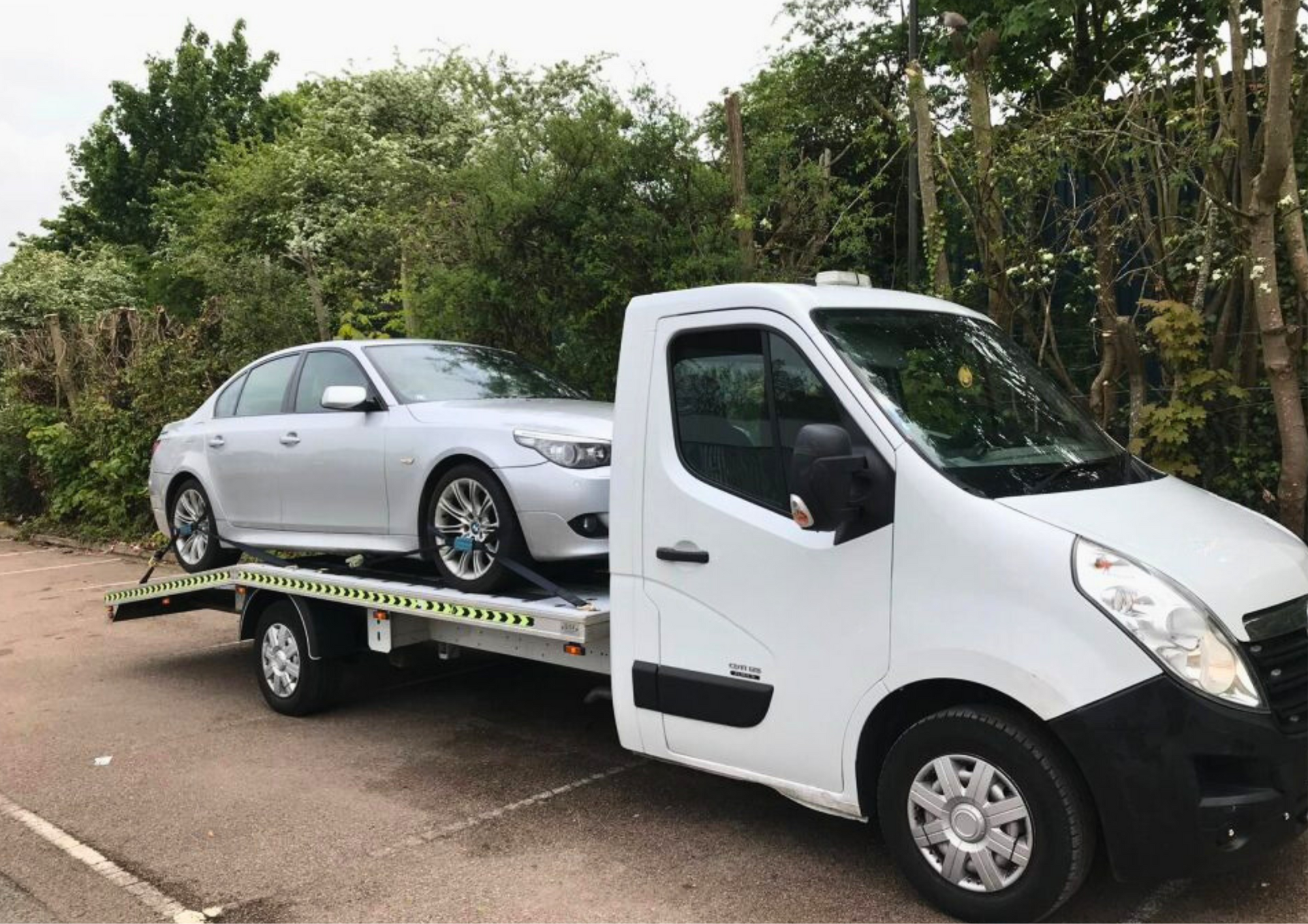
Many electric vehicles cannot simply be towed with their driven wheels on the road. Depending on the manufacturer, doing so may damage the electric motor, transmission components, or regenerative braking system. For this reason, many manufacturers recommend transporting electric vehicles on a flatbed recovery vehicle where all four wheels remain off the ground.
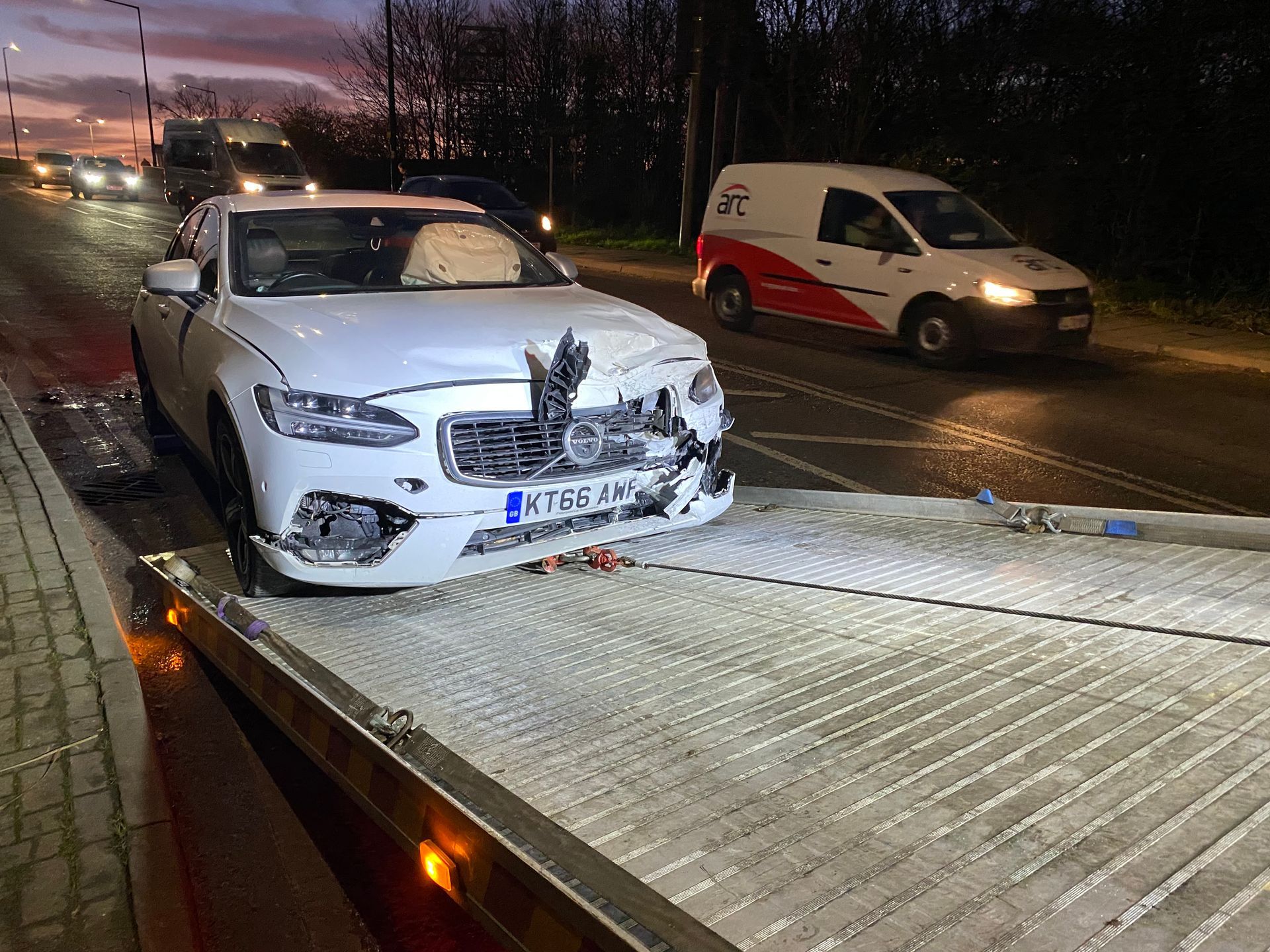
Recovery professionals also consider the condition of the vehicle before moving it. If an electric vehicle has been involved in a collision, extra precautions may be necessary because damage to the battery pack can present additional hazards. Trained operators know how to assess the situation safely before loading the vehicle.
The location of the battery is another important consideration. In most electric vehicles, the battery pack is positioned beneath the floor, helping improve stability and handling. However, this also means recovery equipment must be used carefully to avoid placing unnecessary pressure on sensitive areas underneath the vehicle.
Modern electric vehicles also include advanced safety systems that may activate after an accident or serious fault. Recovery operators understand how these systems affect transportation and ensure that the vehicle is loaded in accordance with manufacturer guidance wherever possible.
Professional operators continually update their knowledge as vehicle technology evolves. Every manufacturer has slightly different recommendations, so experience and ongoing training are essential when recovering newer electric models.
For motorists, the most important point is simple: if your electric vehicle cannot continue its journey, it should be transported using appropriate equipment rather than moved using unsuitable towing methods.
Common Reasons an Electric Vehicle May Need Recovery
Electric vehicles are highly reliable, but like any vehicle, they can still experience unexpected issues that require professional recovery. Understanding the most common reasons can help drivers recognise when it is safest to have their vehicle transported. At car recovery, we ensure electric vehicles are recovered using the appropriate methods and equipment, with safety remaining the priority throughout the process.
Common Reasons an Electric Vehicle May Need Recovery
- Depleted Traction Battery
- The main battery has completely run out of charge.
- Unexpected traffic, cold weather, diversions, or limited charging point availability can contribute to battery depletion before reaching a charging station.
- Mechanical Faults
- Suspension, steering, brakes, wheel bearings, and other mechanical components can wear over time.
- These faults can affect both electric and conventional vehicles.
- Electrical System Problems
- Faults with sensors, charging systems, control modules, or vehicle software may trigger warning lights or prevent normal operation.
- Some issues place the vehicle into a reduced-performance mode for safety.
- Road Traffic Accidents
- Even minor collisions can damage steering, suspension, wheels, or battery protection systems.
- Professional transportation is often the safest option until the vehicle can be inspected.
- Severe Weather
- Flooding, fallen trees, snow, ice, or road debris can leave an electric vehicle stranded or unsafe to drive.
- Recovery ensures the vehicle is transported to a suitable destination safely.
- Tyre Damage
- Punctures and blowouts can occur unexpectedly.
- Depending on the location and extent of the damage, continuing the journey may not be safe.
- Professional Transportation
- When motorists require breakdown recovery, the aim is to transport the vehicle safely to a repair garage, home, or another destination chosen by the owner rather than carrying out repairs at the roadside.
Preventing Unexpected Recovery
While not every issue can be avoided, drivers can reduce the risk by:
- Following the manufacturer's recommended servicing schedule.
- Checking tyre condition and pressures regularly.
- Keeping vehicle software updated where applicable.
- Monitoring dashboard warning messages and arranging inspections when alerts appear.
- Planning charging stops carefully, particularly before longer journeys.
How Professional Recovery Protects Your Electric Vehicle
Recovering an electric vehicle involves far more than simply loading it onto a truck. Professional operators use suitable equipment and proven procedures designed to minimise the risk of damage throughout the transportation process.
Flatbed recovery vehicles are commonly used because they allow the entire vehicle to remain supported during transport. This eliminates unnecessary movement of the driven wheels and helps comply with manufacturer recommendations for many electric models.
Before loading begins, the operator will usually assess the vehicle's condition, identify any visible damage, and determine the safest loading method. This careful assessment helps avoid placing unnecessary stress on suspension components, battery housings, or body panels.
Proper securing techniques are equally important. High-quality wheel straps and securing systems hold the vehicle firmly in place throughout the journey while avoiding unnecessary pressure on sensitive areas. Correct positioning helps prevent movement during transportation and protects both the vehicle and other road users.
Professional recovery companies also understand that every electric vehicle may have different lifting points and loading recommendations. Using the wrong attachment points can result in expensive damage that could otherwise have been avoided.
Reliable vehicle recovery services invest in modern equipment, ongoing staff training, and safe operating procedures to ensure vehicles are transported professionally from collection to delivery.
Choosing an experienced car rescue service provides reassurance that trained operators understand the specific requirements of electric vehicles and can transport them safely without attempting roadside repairs that fall outside the scope of recovery.
Clear communication also forms an important part of professional service. Keeping customers informed about estimated arrival times, transportation arrangements, and the intended destination helps reduce stress during an already inconvenient situation.
Whether the vehicle is being transported after an accident, mechanical fault, or battery-related issue, careful handling helps preserve its condition until qualified technicians can carry out any necessary inspections and repairs.
What Drivers Should Do Before Help Arrives
An unexpected vehicle failure can be stressful, but taking the right steps can help keep everyone safe while waiting for assistance. At Car Recovery Preston, we recommend following these simple guidelines to ensure your safety and help the recovery process run as smoothly as possible.
- Move to a Safe Location
- If possible, move your vehicle away from moving traffic.
- If the vehicle cannot be moved, switch on your hazard warning lights and follow the Highway Code regarding roadside safety.
- Once you are in a safe position, car recovery can arrange to transport your vehicle safely to your chosen destination using the appropriate recovery methods.
- Keep Yourself Safe
- Leave the vehicle only when it is safe to do so.
- On high-speed roads, move behind the safety barrier where practical and wait well away from traffic.
- Provide Accurate Information
- Tell the recovery provider your exact location.
- Provide the vehicle make and model.
- Explain the nature of the fault and whether the vehicle has been involved in an accident.
- This helps ensure the correct recovery vehicle and equipment are dispatched.
- Choose an Experienced Recovery Provider
- Many motorists search online for recovery car near me during an emergency.
- However, selecting an experienced provider with the right equipment and expertise is more important than simply choosing the closest option.
- Do Not Inspect High-Voltage Components
- If warning messages relate to the high-voltage battery, avoid investigating the issue yourself.
- These systems should only be handled by appropriately trained professionals.
- Prepare While Waiting
- Collect any personal belongings you may need.
- Remove valuables if the vehicle is being transported to a repair facility.
- Keep important documents easily accessible.
Reducing the Risk of Future Breakdowns
Although some issues cannot be prevented, these simple habits can improve reliability:
- Charge the battery before long journeys.
- Check tyre pressures and tyre condition regularly.
- Monitor dashboard warning lights and arrange inspections when required.
- Follow the manufacturer's recommended servicing schedule.
- Plan charging stops in advance, especially during busy travel periods.
- Maintain a comfortable battery reserve to allow for unexpected delays or diversions.
As electric vehicle technology continues to develop, reliability is improving every year. Even so, unexpected problems can still occur. Knowing what to do and understanding the recovery process can make the situation much less stressful and help ensure your vehicle is transported safely.
At
Car Recovery Preston, we are dedicated to providing reliable information alongside dependable recovery solutions for motorists. Our website is designed to help drivers understand what to expect when their vehicle needs transporting, making it easier to make informed decisions during stressful situations.
We prioritise professionalism, safety, and honesty in everything we do. Our guidance is written to be clear and practical, helping vehicle owners understand the recovery process without unnecessary technical language.
Our commitment is to ensure vehicles are transported safely using suitable recovery methods rather than attempting roadside repairs. We understand the unique requirements of electric vehicles and the importance of careful handling throughout every stage of transportation.
Check out our latest X update for practical insights into electric vehicle
car recovery and how to stay prepared on the road!
You might also like