What Types of Vehicles Can Professional Car Recovery Transport?
When most people think about car recovery, they picture a broken-down family car being lifted onto a truck. While that’s certainly common, professional recovery services are equipped to transport a much wider range of vehicles than many drivers realise.
This guide explains which vehicles can be transported and what to expect.
Private Cars and Everyday Vehicles
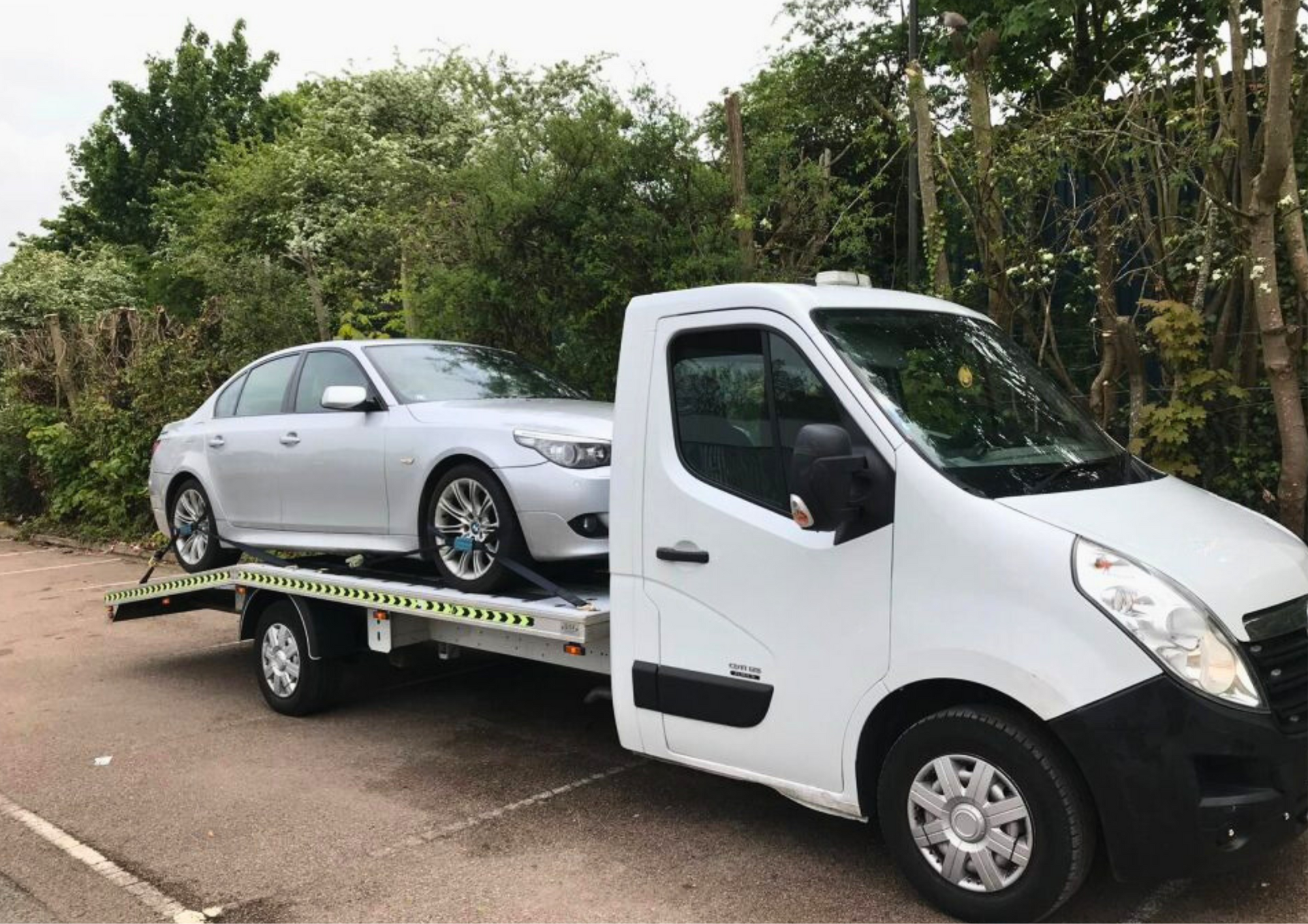
The most frequently transported vehicles are standard private cars. These include hatchbacks, saloons, estates, SUVs, and 4x4s. Whether the issue is mechanical failure, accident damage, flat batteries, or engine trouble, professional car breakdown recovery ensures the vehicle is moved safely to a garage or chosen destination.
Modern cars often have sensitive electronics and automatic transmissions, which require careful handling. Flatbed trucks are commonly used to keep all four wheels off the road, preventing damage to gearboxes and drivetrain components.
Vans and Light Commercial Vehicles
Recovery services also handle vans and light commercial vehicles used by tradespeople, couriers, and small businesses. These vehicles are essential for daily operations, so rapid response and safe transport are especially important.
Professional vehicle recovery services are equipped with trucks capable of handling larger wheelbases and heavier loads. Whether it’s a short-wheelbase van or a long-wheelbase commercial vehicle, proper weight distribution and secure loading are critical.
Motorcycles, 4x4s, and Specialist Vehicles
Professional car recovery services are equipped to handle far more than standard cars. Depending on the vehicle type and condition, operators use different equipment and loading methods to ensure safe and secure transport.
- Motorcycles and scooters:
Recovery isn’t limited to four-wheeled vehicles. Motorbikes and scooters can also be transported, using purpose-built straps and wheel chocks to prevent tipping or frame damage during transit. - 4x4s, pickup trucks, and minibuses:
Larger vehicles can be recovered provided the service has suitable equipment. Heavy-duty flatbeds and reinforced winching systems are often required for safe loading and transport. - National vs local providers:
Drivers relying on national services such as roadside recovery may experience delays during busy periods. Local recovery companies can often respond more quickly, particularly for specialist or non-standard vehicles. - Adaptable recovery methods:
From private cars to more specialised vehicles, professional teams adjust their approach based on the size, weight, and overall condition of the vehicle involved.
Accident-Damaged and Non-Running Vehicles
Vehicles involved in accidents or suffering severe mechanical faults often cannot be driven at all. In these situations, emergency car recovery becomes essential.
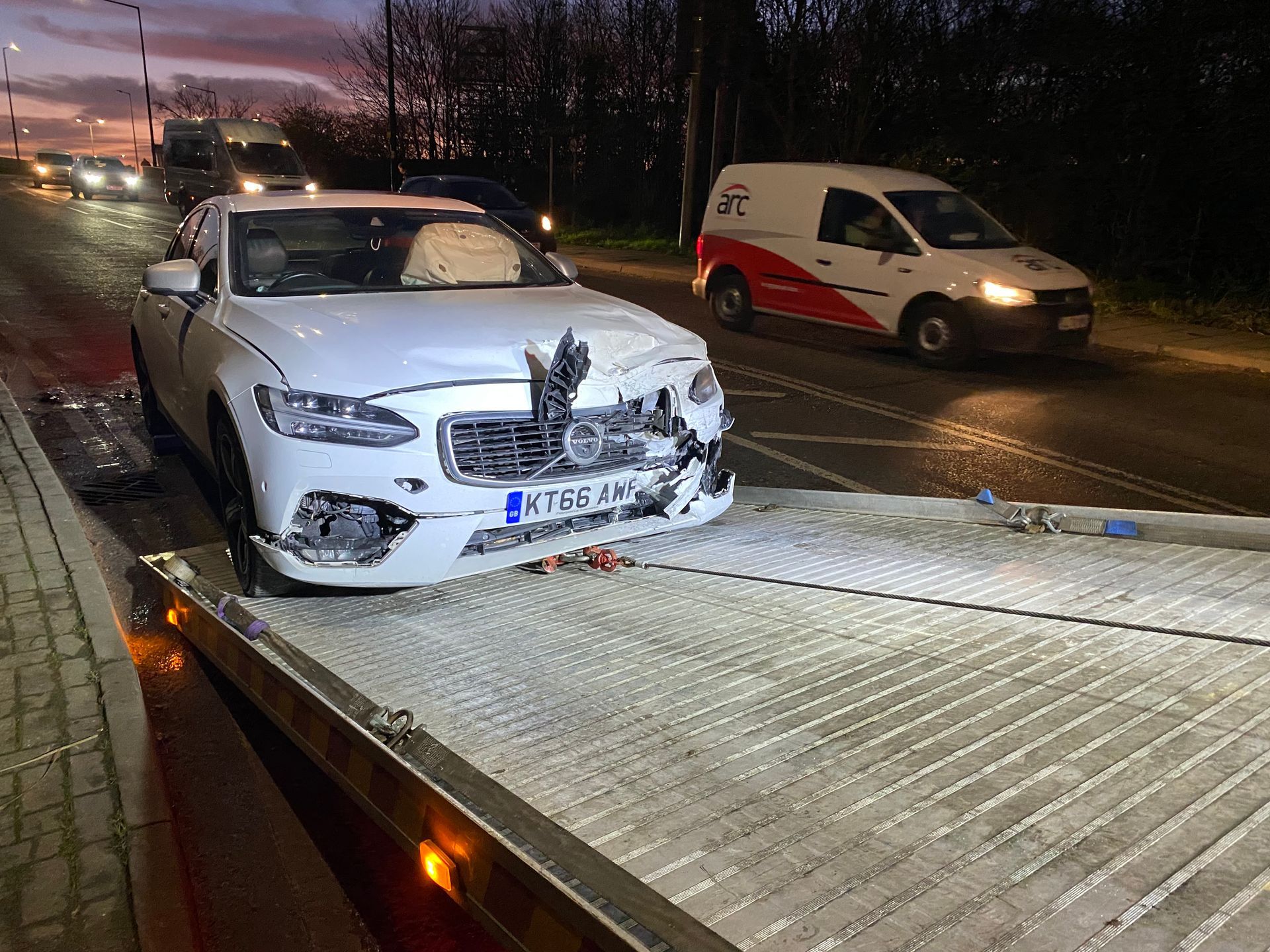
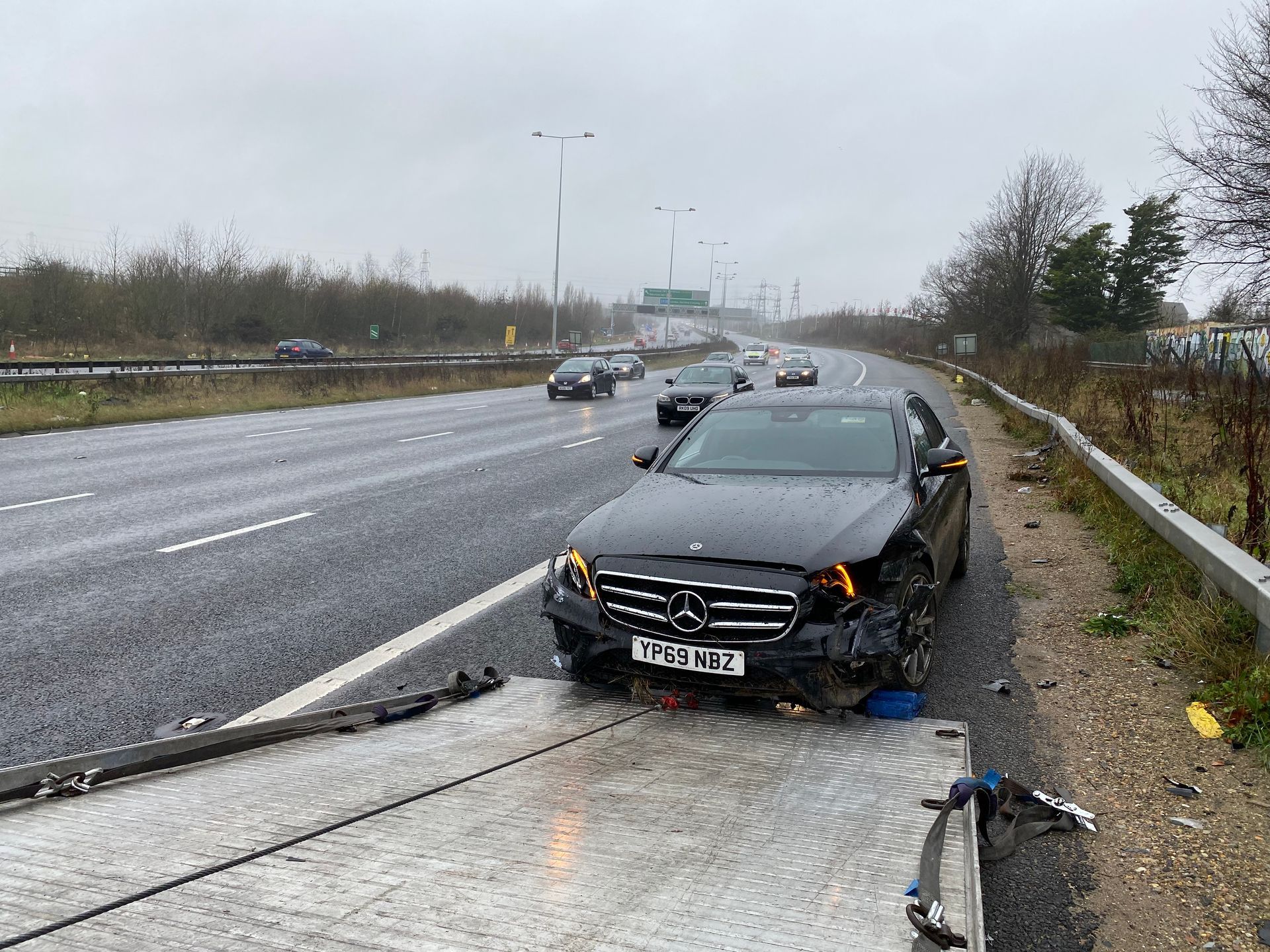
Accident-damaged vehicles may have collapsed suspension, deployed airbags, fluid leaks, or locked wheels. Professional operators use flatbeds and hydraulic winches to load the vehicle safely without dragging it across the road.
Non-running vehicles with seized engines, gearbox failures, or electrical faults are also routinely transported. Recovery teams assess structural stability and use appropriate lifting techniques to avoid additional harm.
At
Car Recovery Preston, we specialize in transporting a wide range of vehicles safely and professionally. From private cars and vans to specialist and non-running vehicles, our experienced team uses modern flatbed trucks and secure loading equipment to protect your vehicle at every stage.
We provide fast response times across Preston and surrounding areas, offering dependable assistance whenever you need it. Whether you require routine support or urgent car recovery, our trained operators are ready to help 24/7.
Just out on X: What vehicles can
car recovery safely move?
You might also like