Keeping Damaged Vehicles Safe With Professional Accident Recovery
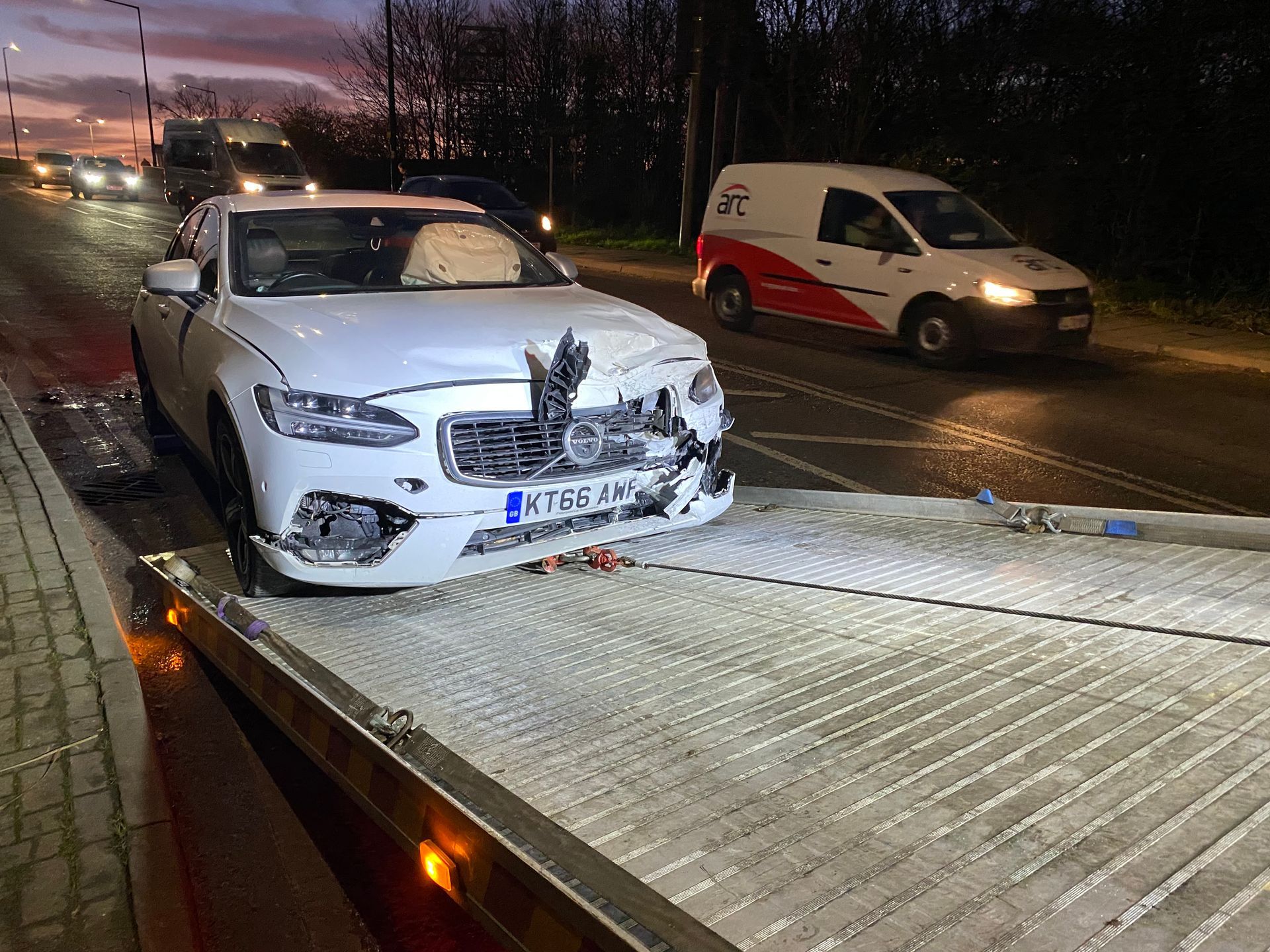
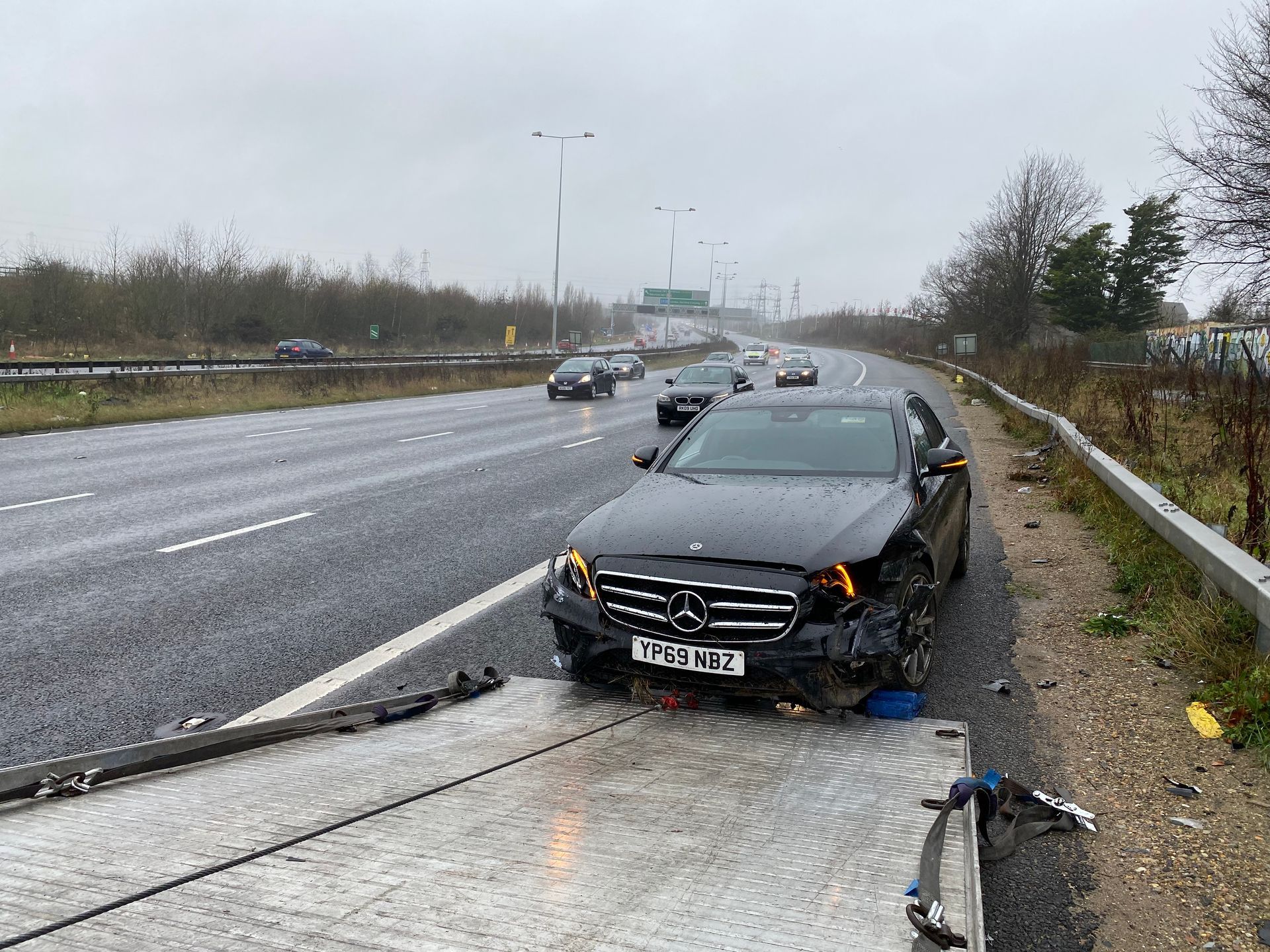
A road collision can leave a vehicle in a condition that is difficult to judge at first glance. A damaged bumper, cracked light or dented panel may be obvious, but an impact can also affect components hidden beneath the bodywork. Steering, suspension, wheels, tyres and structural parts can all suffer damage that is not immediately visible. For this reason, deciding whether to move or drive a vehicle requires care.
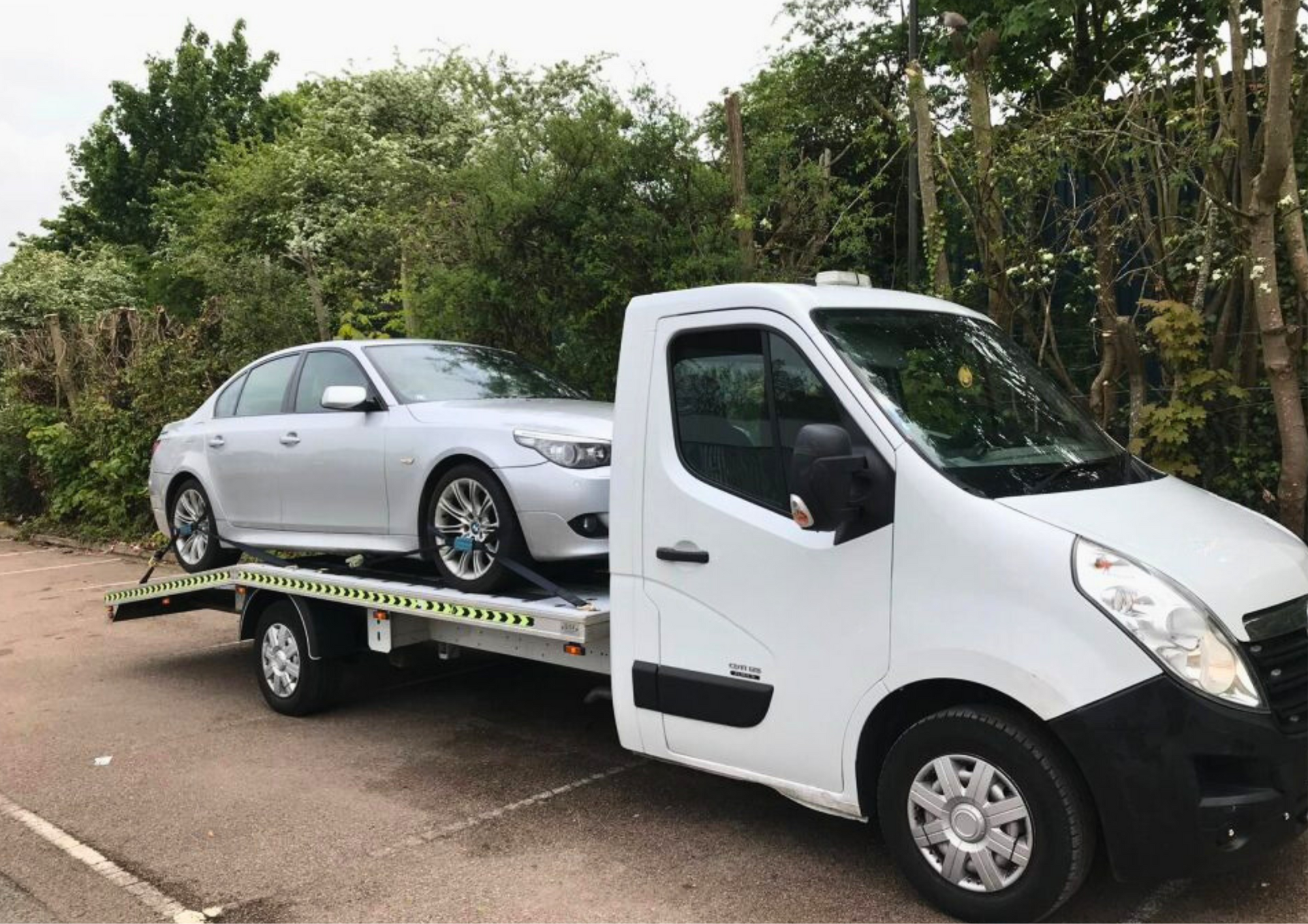
Professional accident recovery provides a controlled way to remove a damaged vehicle when continuing to drive could be unsafe. Rather than expecting the vehicle to travel under its own power, trained operators can collect it using appropriate recovery equipment and transport it to a garage, secure storage area or another suitable destination requested by the customer.
This type of assistance can be particularly valuable after a serious impact, but even a relatively minor collision can create problems that make a vehicle unsuitable for normal driving. A steering wheel that feels different, a tyre rubbing against damaged bodywork or fluid beneath the vehicle can all indicate that further assessment is needed. Trying to continue a journey could place additional strain on already damaged parts.
For motorists in Preston, busy routes, residential streets and heavily used roads can make the safe removal of an immobilised vehicle especially important. The same principles apply elsewhere in the UK. Keeping people away from traffic, avoiding unnecessary movement of the vehicle and arranging suitable transportation can make the situation easier to manage.
Vehicle recovery should not be confused with roadside repair. Its purpose is to collect and transport a vehicle that cannot or should not continue its journey. Mechanical repairs are not carried out at the scene, and the service does not include fuel delivery or lockout assistance. If specialist work is required, the damaged vehicle can instead be transported to an appropriate professional.
Why a Damaged Vehicle Should Be Handled Carefully
Collision damage is not always limited to what can be seen from outside the vehicle. Modern cars contain structural sections designed to absorb impact forces, and those forces can travel through different areas of the vehicle. A panel may show relatively modest damage while components underneath have been bent, displaced or weakened. Until the vehicle has been properly assessed, its roadworthiness should not be assumed simply because the engine starts or it can still move.
Steering damage is particularly important because even a small change can affect how predictably a vehicle responds. An impact against another vehicle, a kerb or roadside object may affect steering arms, joints or related components. The steering wheel might sit at an unusual angle, the vehicle may pull to one side, or the wheels may no longer point correctly. Driving in this condition can make controlling the vehicle difficult.
Suspension components can also be affected by a collision. Springs, arms, joints and mounting points work together to keep the vehicle stable and its tyres correctly positioned against the road. Damage to any of these parts can alter handling or cause further strain as the vehicle moves. A professional car accident recovery service allows the vehicle to be transported without relying on damaged steering or suspension systems to complete the journey.
Wheels and tyres require similar attention. A wheel can become bent or cracked after an impact, while a tyre may develop cuts, bulges or internal damage. In some cases, damaged bodywork can press against the tyre and interfere with its movement. Even when a tyre remains inflated, its condition may have been compromised. Continuing to drive can increase the chance of sudden failure or cause additional damage around the wheel.
Fluid beneath a collision-damaged vehicle should never simply be ignored. Coolant, engine oil, transmission fluid or brake fluid may escape when pipes, reservoirs or mechanical components are damaged. Some leaks can affect the safe operation of the vehicle, while fluids on the road can create hazards for other road users. The safest response is generally to avoid unnecessary movement and let an appropriate professional determine how the vehicle should be collected.
Loose parts create another concern. Broken bumpers, undertrays, trim, exhaust components and damaged panels can shift as the vehicle moves. A component that appears secure while stationary may detach once exposed to vibration, airflow or road movement. Careful loading helps prevent damaged parts from being subjected to avoidable forces during removal.
Professional accident recovery is therefore about more than moving a vehicle from one place to another. The operator needs to consider the vehicle's position, visible condition and any damaged components that could affect loading. Suitable equipment and a controlled approach help minimise unnecessary movement while getting the vehicle away from the scene and on its way to an appropriate destination.
Drivers should also avoid assuming that a short journey is automatically safe. A garage may be only a few streets away, but a damaged vehicle can behave differently as soon as it accelerates, turns or brakes. Choosing professional transportation removes the need to test potentially damaged components in live traffic and helps prevent an already difficult situation from becoming more serious.
What to Do When Your Vehicle Cannot Be Driven Safely
Immediately after a collision, personal safety should take priority over the vehicle. Circumstances differ depending on the road, traffic levels, vehicle position and seriousness of the incident, so motorists should follow directions from the police or other emergency services whenever they are present. Once immediate safety concerns have been addressed, useful information can be gathered for the recovery provider.
A driver searching for accident recovery near me will usually benefit from being ready to provide an accurate collection point, vehicle details and a basic description of the damage. Clear information can help the operator understand the situation before arriving and determine what equipment may be appropriate for collecting the vehicle.
- Stay in a safer position where possible. If the vehicle is in a hazardous location, avoid putting yourself at risk by standing close to moving traffic. Follow official instructions at the scene and use a safe waiting area where one is available.
- Do not test-drive a questionable vehicle. Starting the engine does not establish that the steering, suspension, brakes, tyres or structural components are suitable for driving. If there is reason to doubt its roadworthiness, avoid taking an unnecessary chance.
- Give a precise location. Provide the road name, direction of travel and useful nearby landmarks where possible. On larger roads, junction information or other location details can help identify where the vehicle is situated.
- Describe the vehicle accurately. Give the make, model and vehicle type and explain its approximate size where useful. This is particularly important for larger cars, vans and other vehicles that may require different recovery arrangements.
- Mention visible damage. Tell the operator if wheels appear damaged, bodywork is touching a tyre, parts are hanging loose or the vehicle cannot roll normally. This information can affect how collection is approached.
- Avoid disturbing leaking fluids or broken components. Do not attempt to remove damaged parts simply to make the vehicle move. If debris or fluids create an immediate road hazard, follow instructions from the relevant authorities at the scene.
- Choose a suitable destination. Decide whether the vehicle should be taken to a repair garage, secure storage location or another appropriate place. Having destination details ready can make arrangements more straightforward.
- Keep communication clear. If circumstances change before the recovery vehicle arrives, such as the vehicle being moved under official direction, update the provider so the operator has accurate information.
Preparing these details can make collection more efficient without requiring the driver to inspect areas that may be unsafe. There is no need to crawl underneath a damaged vehicle or touch broken components to provide a detailed mechanical diagnosis. A simple description of what happened, what is visible and whether the vehicle can roll or steer is often much more useful.
How Professional Vehicle Recovery Helps Prevent Further Damage
Moving a damaged vehicle requires a different approach from handling one in normal working condition. Wheels may not turn freely, suspension geometry may have changed, and damaged panels can sit close to tyres or the road surface. Operators need to consider these factors before loading begins rather than assuming the vehicle can be moved normally.
Professional accident car recovery can help reduce avoidable strain on damaged parts by using suitable loading and securing methods. The aim is transportation rather than roadside repair, allowing the vehicle to reach a garage or another appropriate destination where its condition can be properly examined and any necessary work can be completed.
- Assessing the vehicle before loading: The position and visible condition of the vehicle can influence the safest way to collect it. Damaged wheels, low bodywork and loose components may all require consideration.
- Using suitable equipment: The method used should be appropriate for the type and condition of the vehicle. A vehicle that cannot roll normally may need to be handled differently from one with freely moving wheels.
- Controlling movement: Careful loading reduces unnecessary movement and helps avoid placing additional forces on already damaged steering, suspension or body components.
- Protecting damaged wheels and tyres: If a wheel is bent, locked or incorrectly positioned, simply forcing the vehicle to roll could worsen the problem. Appropriate handling helps avoid relying on compromised components.
- Securing the vehicle for transport: Once loaded, the vehicle needs to remain properly positioned throughout the journey. Secure transportation limits unwanted movement while travelling over bends, changes in speed and normal road surfaces.
- Considering loose bodywork: Hanging trim, damaged bumpers and other loose components may require additional care so they are not subjected to unnecessary movement during loading and transport.
- Taking the vehicle to the right destination: Depending on the circumstances, this may be a repair garage, a storage facility or another suitable place selected by the customer.
- Avoiding unsuitable roadside work: Recovery is focused on moving the vehicle rather than repairing it at the scene. Where mechanical or specialist attention is necessary, transportation to the appropriate professional is the suitable next step.
This controlled process can be valuable for cars with extensive damage as well as vehicles whose problems initially seem modest. The key question is not simply whether a vehicle can move, but whether it can be driven safely without increasing risks or worsening its condition. When that cannot be established confidently, professional transportation offers a sensible alternative.
Choosing the Right Help After a Road Collision
A suitable provider should communicate clearly from the first contact. Drivers should be able to explain where the vehicle is, what type of vehicle is involved and what visible damage has occurred. The provider should also make the destination arrangements clear so the customer understands where the vehicle will be transported. Straightforward communication is particularly helpful when someone is already dealing with the disruption and stress of a collision.
The right equipment matters as well. car wreck recovery may involve vehicles with significant body, steering, wheel or suspension damage, so collection cannot always be approached in the same way as moving a normally functioning car. A provider should be prepared to consider the vehicle's condition and use a suitable method rather than forcing damaged components to operate normally.
Local knowledge can also be useful, particularly in areas such as Preston where a vehicle might need collecting from a busy route, residential road, commercial area or surrounding local road network. Knowing the collection area can support clearer arrangements, but professional standards should remain the same wherever the incident occurs. Careful handling, appropriate equipment and a clear destination are important whether a vehicle is being collected locally or elsewhere.
Vehicle owners should also understand exactly what they are arranging. A recovery provider transports the vehicle; it does not make roadside mechanical repairs, unlock vehicles or bring fuel to enable the journey to continue. When repair work is required, the practical solution is to transport the vehicle to a garage or other suitable specialist who can assess it in an appropriate setting.
For accident recovery, reliability should be considered alongside careful vehicle handling. Drivers should look for a provider that can explain the collection process, understand relevant information about the damaged vehicle and arrange transportation to the requested suitable destination. This gives motorists a clear course of action without requiring them to risk driving a vehicle whose condition remains uncertain.
A collision can affect much more than a vehicle's visible bodywork. Steering, suspension, tyres, wheels, structural sections and mechanical components can all be damaged, sometimes without obvious external signs. For that reason, a vehicle that starts and moves should not automatically be considered suitable for continued driving.
Careful collection and transportation provide a practical way to protect a damaged vehicle from unnecessary additional strain while helping keep drivers and other road users safer. By avoiding questionable driving, providing clear information about the vehicle and choosing a professional provider with appropriate equipment, motorists can arrange for their vehicle to reach a garage, storage facility or another suitable destination.
When the condition of a vehicle is uncertain after a collision, safe transportation is generally more sensible than trying to complete even a short journey under its own power. The priority should be controlled handling and getting the vehicle to a place where qualified professionals can assess what needs to happen next.
When a collision leaves your vehicle unsafe or unsuitable to drive, Car Recovery Preston offers a professional and reassuring way to arrange its collection and transportation. We focus on careful vehicle handling, clear communication and straightforward arrangements, taking damaged vehicles to a suitable repair garage, secure location or another requested destination. If you need a damaged car moved safely in Preston, contact us to arrange dependable transportation and get your vehicle where it needs to go without attempting an unnecessary journey.
Check out our latest X update on how professional
accident recovery helps keep damaged vehicles safe and securely transported.
You might also like