Preparing for Car Recovery After an Unexpected Vehicle Breakdown
An unexpected breakdown can turn an ordinary journey into a difficult situation within minutes. A vehicle may lose power, develop a steering problem, suffer tyre or wheel damage, display a serious warning light or simply refuse to start again. Whatever the cause, drivers need to make sensible decisions about their own safety and what should happen to the vehicle next.
Preparing for car recovery can make the collection process more straightforward. Drivers do not need to understand exactly what has gone wrong mechanically, but providing clear information about the vehicle, its condition and its location can help the operator prepare for transportation. It is also important to recognise when continuing to drive could create further problems.
For motorists in Preston, a breakdown could happen on a residential street, a busy urban route or while travelling towards surrounding areas. The same basic preparation applies elsewhere in the UK: prioritise personal safety, identify the vehicle's location accurately, provide useful details and decide where it should be transported. Taking these steps can make an unexpected situation easier to manage.
What to Do Before Arranging Vehicle Collection
The first consideration should be whether the vehicle can be stopped in an appropriate position. If a fault develops while driving, motorists should respond to the conditions around them and avoid sudden actions that could affect other road users. Where it is possible and safe to do so, finding a suitable stopping place away from moving traffic can make both waiting and eventual collection easier.
Once stopped, pay attention to what the vehicle was doing immediately before the problem occurred. Warning lights, unusual noises, smoke, vibrations, difficulty steering, loss of power or changes in braking behaviour are useful details to remember. Drivers should not attempt to make a technical diagnosis, but describing these symptoms can give the recovery provider a clearer understanding of the vehicle's condition.
It is equally important to avoid repeatedly attempting to restart or move a vehicle when there are signs of a serious fault. A vehicle that starts does not necessarily remain suitable for driving. If there is uncertainty about steering, wheels, tyres or another important component, arranging transportation may be safer than trying to complete the journey.
Location details should be prepared before contacting a provider. A road name and postcode can be helpful, but additional information may be needed if the vehicle is on a long road, in a large car park or somewhere without an obvious address. Nearby junctions, landmarks, businesses or recognisable buildings can make the collection point easier to find.
Drivers comparing car recovery prices should also consider what the requested journey actually involves. Collection distance, destination, vehicle type, accessibility and the condition of the vehicle can all affect the requirements of a job. Providing accurate information from the beginning can therefore help motorists receive details that are relevant to their particular circumstances.
The intended destination should also be considered before collection where possible. A vehicle with a mechanical problem may need to go to a suitable repair garage, while another motorist may prefer a different appropriate location. Confirming this beforehand helps establish the required transportation journey and avoids uncertainty once the vehicle has been loaded.
Information to Prepare While Waiting for Help
Good preparation is particularly useful when a vehicle has stopped somewhere unfamiliar or inconvenient. The operator needs enough information to locate the vehicle and understand how it may need to be loaded. Having these details ready can reduce unnecessary questions and make communication more efficient.
- Vehicle registration: Keep the registration number available, particularly if the person arranging collection is not standing directly beside the vehicle when making contact.
- Make and model: Provide accurate vehicle details so the operator understands the general type and size of vehicle requiring transportation.
- Exact location: Give the road name, postcode, nearby junction or another clear reference point. In Preston and other busy areas, the direction of travel may also be useful on larger roads.
- Vehicle condition: Mention obvious damage, warning lights, unusual noises or other symptoms noticed before the vehicle stopped.
- Wheel condition: Explain if a tyre is damaged, a wheel is positioned unusually or any wheel appears unable to turn normally.
- Steering ability: Tell the provider if the steering has become unusually heavy, appears damaged or cannot be operated normally.
- Vehicle movement: Confirm whether the vehicle can roll freely and whether it can be moved into neutral where applicable.
- Access restrictions: Mention narrow entrances, height restrictions, underground parking, locked areas or other conditions that could affect access.
- Preferred destination: Have the address of the repair garage or other suitable destination ready wherever possible.
- Contact details: Make sure the person waiting with the vehicle can be contacted if further directions or collection information are required.
When asking about car recovery cost, motorists should provide these details rather than relying on a general figure that may not reflect their circumstances. A straightforward collection involving an accessible vehicle and short transportation distance can have different requirements from moving a larger or damaged vehicle from a difficult location.
Personal preparation matters as well. If it is safe to access the vehicle, consider taking essential belongings that may be needed before the vehicle is returned. Keys should be available where required, and motorists should remain reachable while waiting. These simple preparations can help the collection proceed more smoothly once the operator arrives.
Getting Your Vehicle Ready for Safe Transportation
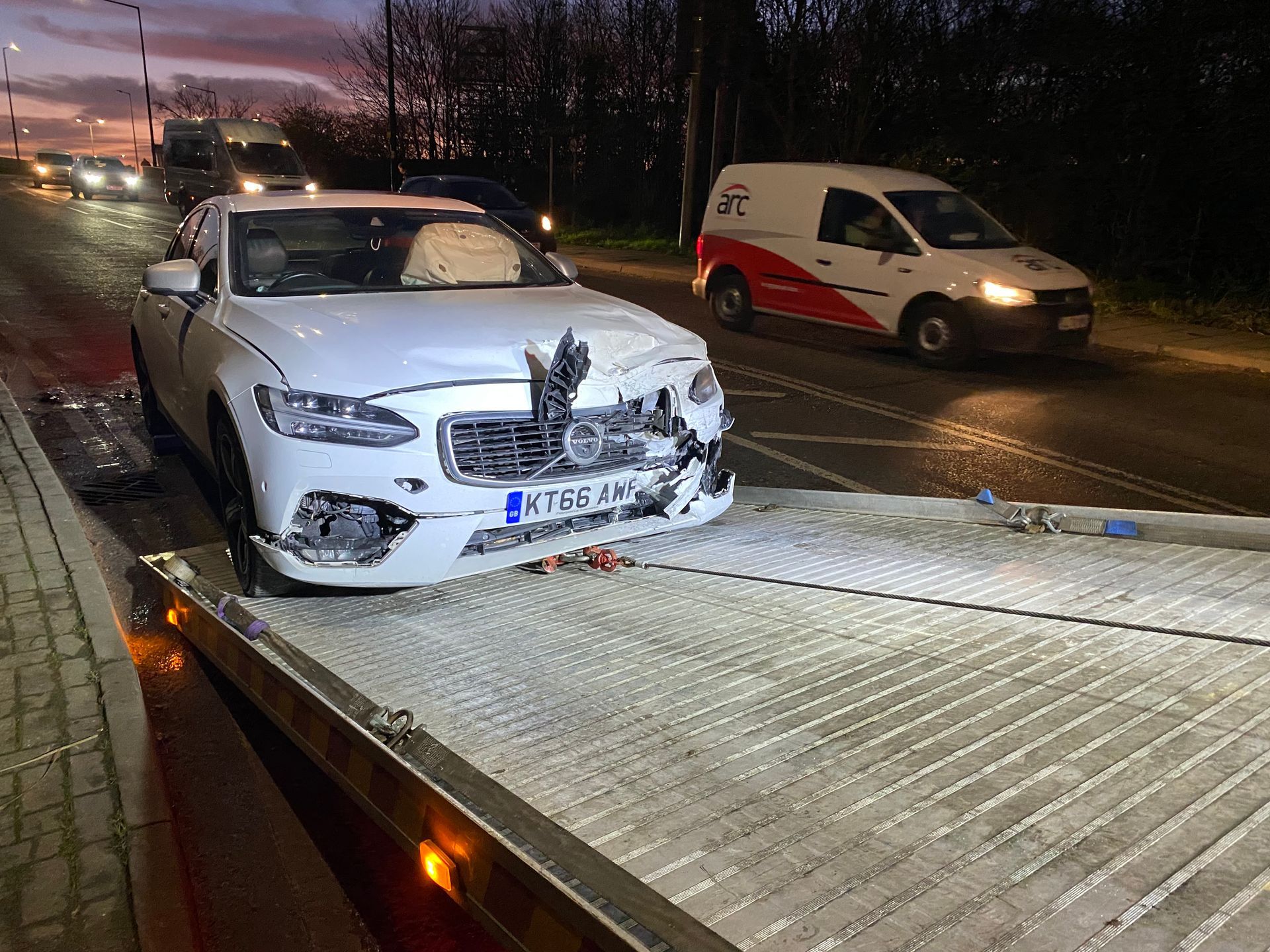
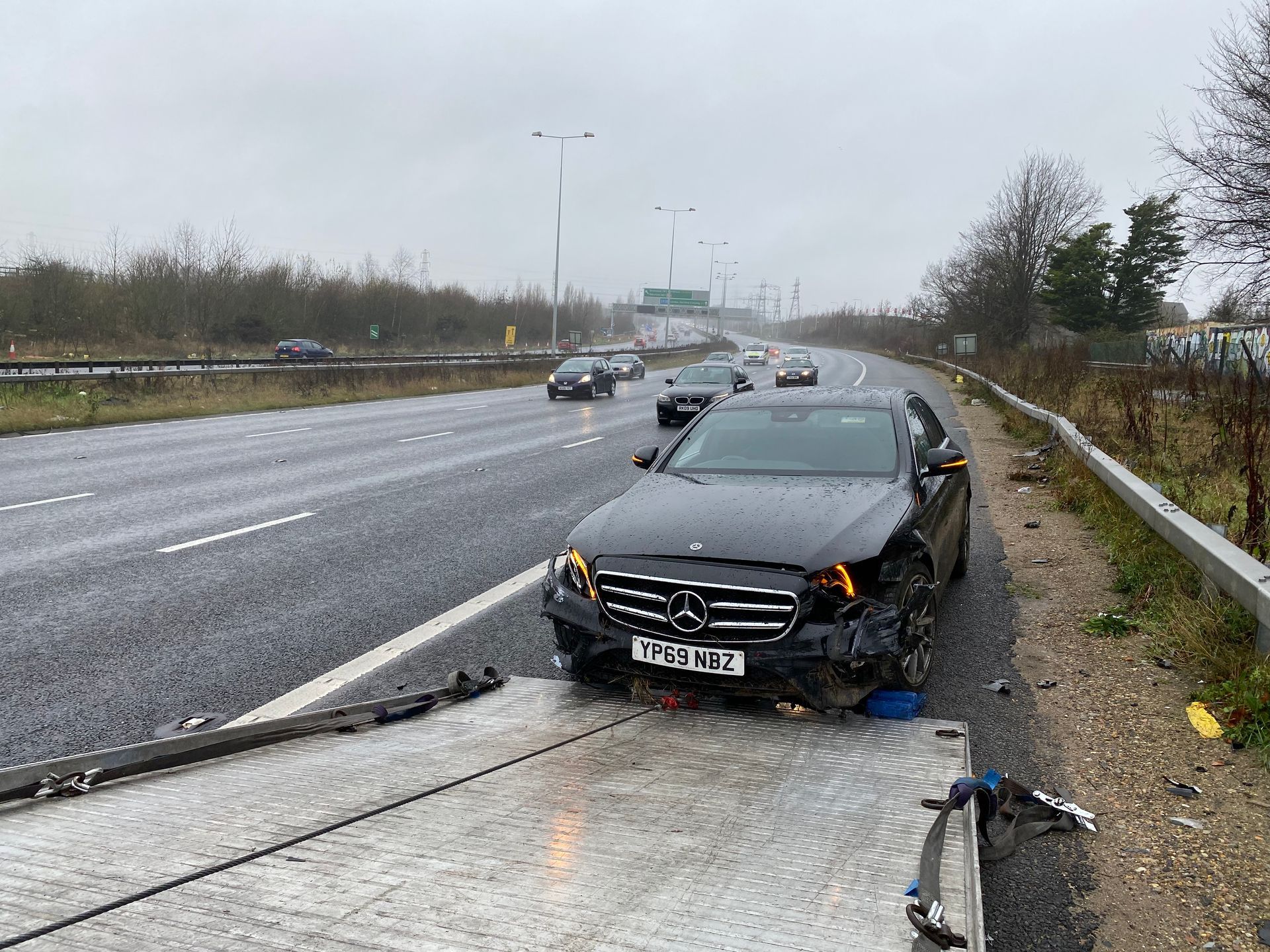
Drivers should avoid trying to reposition a vehicle if doing so could be unsafe. A damaged wheel, steering fault, fluid leak or mechanical problem can make even a short movement difficult. The recovery operator can determine an appropriate method of loading based on the vehicle's position and condition, so motorists should explain any known problems rather than attempting to overcome them themselves.
Accessibility is another important consideration. Vehicles can break down in driveways, car parks, narrow streets and other places where a recovery vehicle may have limited space. In Preston, for example, collection conditions can vary considerably between residential areas, town-centre streets and busier connecting routes. Similar challenges occur throughout the UK, making accurate descriptions of the surroundings useful.
Drivers searching for the cheapest car recovery may understandably want to control unexpected expenditure, but price should be considered alongside the requirements of the vehicle. Appropriate equipment, careful loading, clear communication and a suitable transportation arrangement all matter when an undriveable vehicle needs to be moved.
The vehicle should be left as the operator requests before loading. Motorists should keep clear of recovery equipment and avoid standing unnecessarily close while the vehicle is being positioned. Loading and securing an undriveable vehicle requires appropriate equipment and procedures, particularly if steering, wheels or other components are not functioning normally.
It is also useful to understand the limits of the service being arranged. Vehicle recovery is focused on collecting and transporting an undriveable or unsafe vehicle to a suitable destination. It does not involve carrying out mechanical repairs at the breakdown location, providing lockout assistance or delivering fuel. When specialist work is required, the vehicle can instead be transported to the relevant professionals.
Clear communication should continue until the destination is confirmed. If the vehicle is being transported to a garage, motorists may wish to check that the premises can receive it at the expected time. If another destination has been selected, suitable access should be available. Planning these details can prevent difficulties at the end of the transportation journey.
Choosing a Suitable Recovery Provider
When a vehicle unexpectedly becomes undriveable, motorists may feel pressure to arrange assistance immediately. Speed is useful, but it should not be the only consideration. A suitable provider should communicate clearly, understand the vehicle's condition and have an appropriate method for collecting and transporting it.
- Look for clear communication: The provider should ask relevant questions about the location, vehicle type, condition and intended destination.
- Describe the vehicle accurately: Confirm that the provider understands whether it is collecting a small car, larger vehicle or one with particular loading difficulties.
- Check the required destination: Make sure the provider understands where the vehicle needs to be transported before collection begins.
- Consider vehicle condition: A vehicle with wheel, steering or collision damage may require different handling from one that simply will not start.
- Discuss accessibility: Explain whether the vehicle is in a narrow road, restricted car park, driveway or another location that could complicate collection.
- Consider local knowledge: Familiarity with Preston and surrounding routes can be useful when arranging collection from busy roads or less obvious locations.
- Ask what the service covers: Confirm that the arrangement meets your need for vehicle collection and transportation rather than assuming unrelated roadside services are included.
- Prioritise careful handling: Suitable loading and securing procedures are important for protecting an already undriveable or damaged vehicle during transportation.
Searching for cheap car recovery can be a practical starting point when cost matters, but motorists should still establish what is included in the quoted arrangement. Collection location, transportation distance, vehicle size and accessibility should be clear so that the service being considered matches the actual situation.
A professional provider should make the next steps easy to understand. Once the location, condition and destination have been established, the driver should know what information is still required and what to expect when assistance arrives. This can provide valuable reassurance when a breakdown has interrupted an otherwise routine journey.
Car Recovery Preston provides professional vehicle collection and transportation for motorists who find themselves unable to continue their journey. We understand that unexpected vehicle problems can be disruptive, so our approach focuses on straightforward communication and careful handling from collection through to the requested destination.
Our car recovery service is suitable when a vehicle needs to be transported rather than repaired where it has stopped. By providing clear information about the vehicle, its condition and its location, motorists can help us make appropriate arrangements to move it to a repair garage or another suitable destination of their choice.
If your vehicle has broken down in Preston and cannot be driven safely, contact us to arrange professional car recovery and transportation. Having your registration, exact location, vehicle condition and preferred destination ready can help make the process straightforward, allowing your vehicle to be collected carefully and transported to a suitable repair garage or another appropriate location of your choice.
Check out our latest X update on how to prepare for
car recovery after an unexpected vehicle breakdown!
You might also like